
Mail
Call


Mill scale is the flaky surface that forms on hot-rolled steel. It is a by-product of manufacturing hot-rolled metal plates and sheets, occurring as the surface oxidizes during the heating, conditioning and hot-rolling processes. It usually has a bluish-black appearance and can be flaky or powdery. Due to its non-uniform texture and thickness, mill scale chips easily.
Mill scale is a steelmaking by-product with many uses, including:
Mill scale is added to cement to make it stronger. Mill scale is used as a source of iron oxide in the manufacture of welding electrodes. Mill scale is used in the forging and hot rolling of copper to make the negative plates in batteries. Mill scale can be converted into iron powder for powder metallurgy.
Mill scale has wide usage in the steel plant, 90% of mill scale is directly recycled within steelmaking industry and a small amount is used in other industry like cement plants, petrochemicals industry, etc. Used for sintering (auxiliary material).
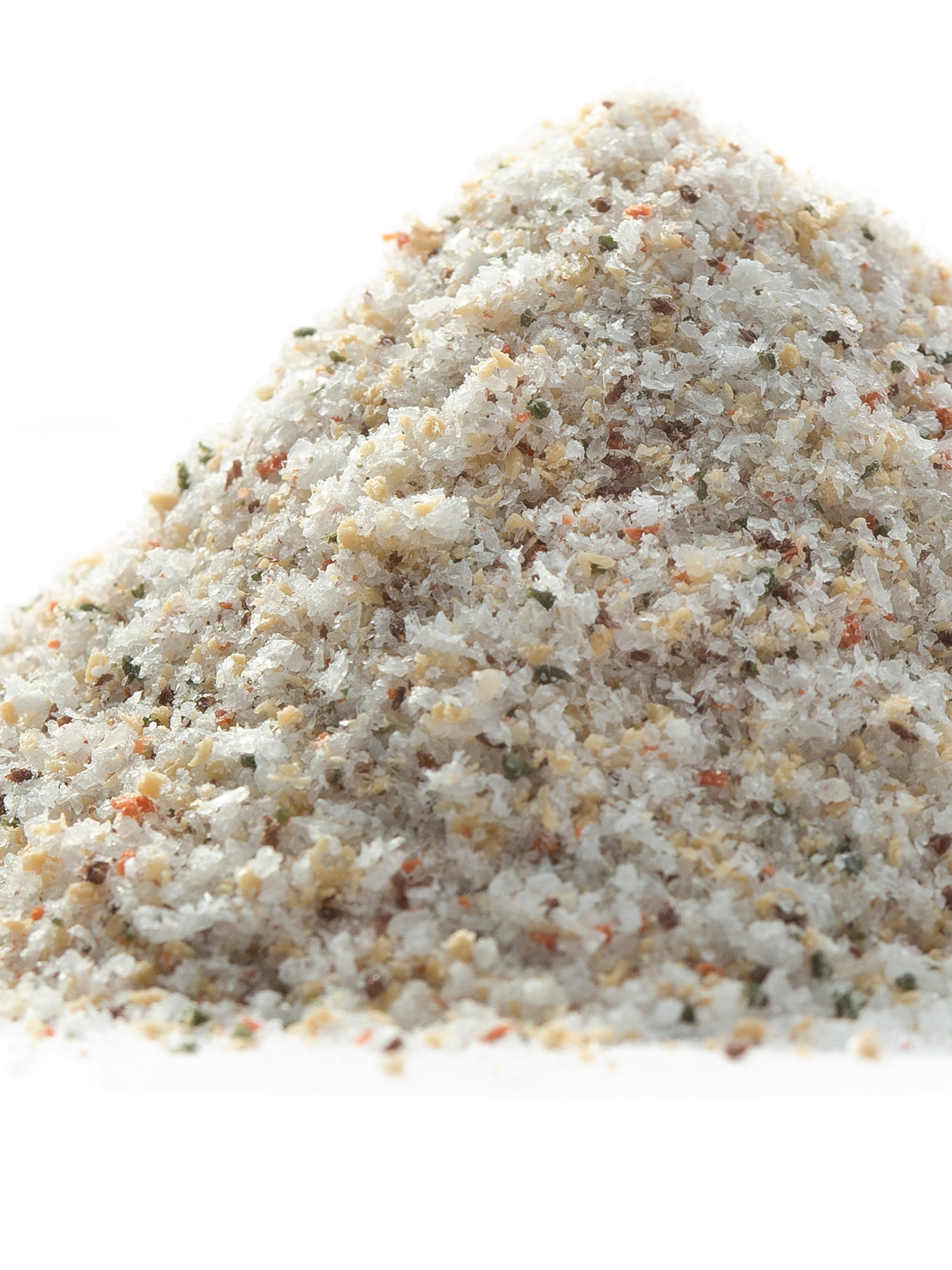
Specialization in Rotational Moulding Powder:
We specialize in the production of rotational molding powder tailored for water storage tanks. Our product has precise & maintained Technical Data (TDS Control) (Melt Flow Density, Elongation at Break, Tensile Strength at Yield, Flexural Modulus, Carbon Content, Notched Izod Impact Strength) as per the size.
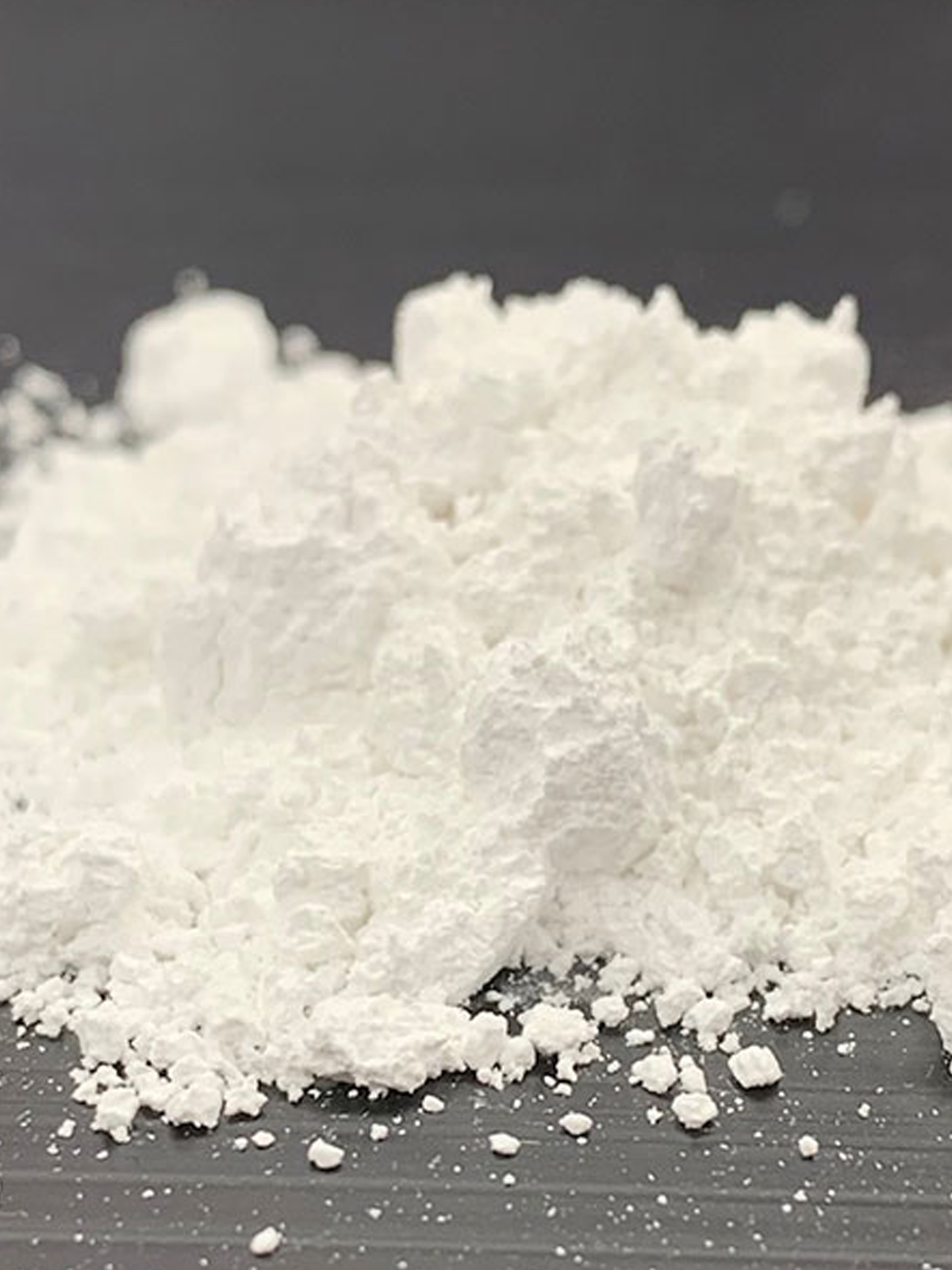
There are many ceramic applications for talc. Because talc reacts during firing, its role in the ceramic process depends on its interaction with the other raw materials in the formulation and its chemical reaction at different temperatures. Talc can be the main constituent in cordierites, steatites and earthenware. In floor and wall tiles, tableware and sanitary ware, it is used as an additive. Talc are used in polypropylene for automotive parts, household and white goods. They impart a variety of benefits to polypropylene depending on the specific application, for instance higher stiffness and improved dimensional stability.Talc are also used for antiblocking in polyethylene, as a nucleating agent in semi-crystalline polymers and as a reinforcing filler in food packaging.
The natural qualities of talc gives cosmetics stability, texture, skin adhesion, slip and water resistance. Talc is pure, odourless and free from impurities. Talc is not only used in Body Talc (Talcum Powder) and Toilet Soaps, but also in Detergents and Washing Powder.